Coffee has long been more than just a classic hot drink in the morning. It is increasingly being combined with additional ingredients that promise more energy, better nutrition or even beauty benefits. Terms such as Cold Brew Coffee, Glow Coffee or Protein Coffee are appearing more and more frequently on social media and in everyday life, and have developed into genuine lifestyle trends. But what’s behind them, and how useful are these trends in everyday life? Coffee-Bike explains!
Collagen coffee, Glow Coffee & protein coffee – trends for 2026
29.04.2026 | Coffee trends
Collagen Coffee & Glow Coffee – the beauty trend
Collagen is a topic that has garnered increasing attention in recent years, particularly in relation to skincare and anti-ageing. So it’s no wonder that it has now found its way into coffee drinks and become a trend known as ‘Glow Coffee’.

What is collagen?
Although the current hype might suggest otherwise, collagen is not a new, groundbreaking discovery in the beauty industry, but a completely natural component of our bodies. It is the most important structural protein, needed for our bones, tendons and cartilage, amongst other things. It also ensures that our skin remains firm and elastic and is produced by the body itself. However, as we age, from around the age of 25, this production slows down. The first signs, such as reduced skin elasticity or joint discomfort, can result. No wonder, then, that many of us are looking for ways to slow down this natural process, at least to some extent.
Why collagen in coffee and what’s behind ‘Glow Coffee’?
A particularly simple way to incorporate collagen into your daily routine is to combine coffee with collagen. The collagen powder is stirred directly into the hot drink, usually one to two tablespoons per cup. This mixture is often referred to as ‘Glow Coffee’ and has become a real trend in recent years.
The idea behind it is as practical as it is suitable for everyday use: as collagen powder should be taken regularly to achieve potential benefits, it combines well with the morning coffee routine. At the same time, the time spent preparing Glow Coffee takes on a new meaning. The first hot drink of the morning is then not just a pick-me-up, but also a brief moment in which you consciously do something for yourself before the day really gets going.
What does collagen powder in coffee actually do? Collagen experiences & before-and-after
Yet as convincing as the concept sounds, the question arises as to how effective collagen powder actually is. The scientific evidence is not yet conclusive. There are indications that collagen can have positive effects on the skin and joints, though many of these studies are small-scale, short-term or funded by manufacturers.
At the same time, numerous testimonials are circulating on social media, reporting stronger hair, firmer nails and improved skin appearance. These effects are usually associated with regular and long-term use. Here too, it is difficult to verify the evidence.
A healthy lifestyle with a balanced diet, sufficient exercise, good sun protection and avoiding nicotine and excessive alcohol consumption can support the body’s own collagen production and, in the long term, have a greater impact than individual dietary supplements.

Choosing the right collagen powder for your coffee
If you’re thinking about trying Glow Coffee, you’ll soon realise just how many products are on the market. It’s best to look for good quality and ensure that the ingredients are clearly listed. Reviews and testimonials from reliable sources can help you.
One point that is often overlooked when choosing a product: collagen is not vegetarian or vegan. It is usually derived from animal sources such as pigskin, cowhide, bones or fish. If the origin is important to you or you wish to avoid certain ingredients, you should carefully check the manufacturer’s product information.
The heat of the coffee also plays a role for many: collagen is generally considered heat-stable, so whilst hot coffee may alter its structure, the amino acids it contains are preserved. This means you can usually stir collagen powder into your hot drink without any issues, without losing its potential benefits.
What side effects can Glow Coffee have?
Although collagen powder is well tolerated by many of us, side effects can occur in individual cases. These include intolerances or allergic reactions, particularly if the product is derived from fish and the individual has a corresponding allergy.
Furthermore, the effect of coffee on the body is not the same for everyone. Whilst it provides coffee lovers with an invigorating start to the day, it can cause restlessness or stomach problems in others. It is therefore important to pay attention to your body’s signals and seek medical advice if you are unsure or experience persistent symptoms.
Protein coffee – function, effects and suitability for everyday use
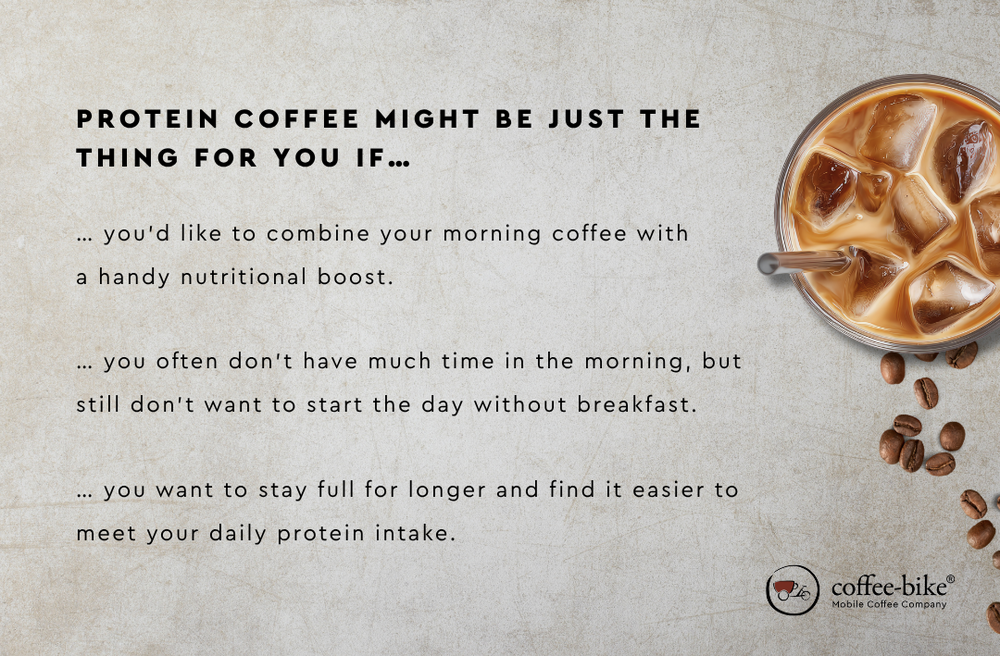
Protein coffee has established itself as a practical trend, particularly in the fitness and nutrition scene. The combination of coffee and protein powder is said not only to provide energy but also to easily enrich everyday life with additional nutrients.
What is protein coffee and how does it work?
Essentially, the idea behind protein coffee is very simple: coffee and protein powder are combined into a drink that both wakes you up and provides nutrients. Many use it as a quick start to the day, as a supplement to their gym routines, or as a sort of breakfast drink when they’re in a rush in the morning.
The principle is somewhat reminiscent of Glow Coffee. Here, too, the familiar coffee ritual is combined with an added benefit. Instead of just getting energy from caffeine, you’re simultaneously supplying your body with protein, which is important for muscles and satiety, among other things.
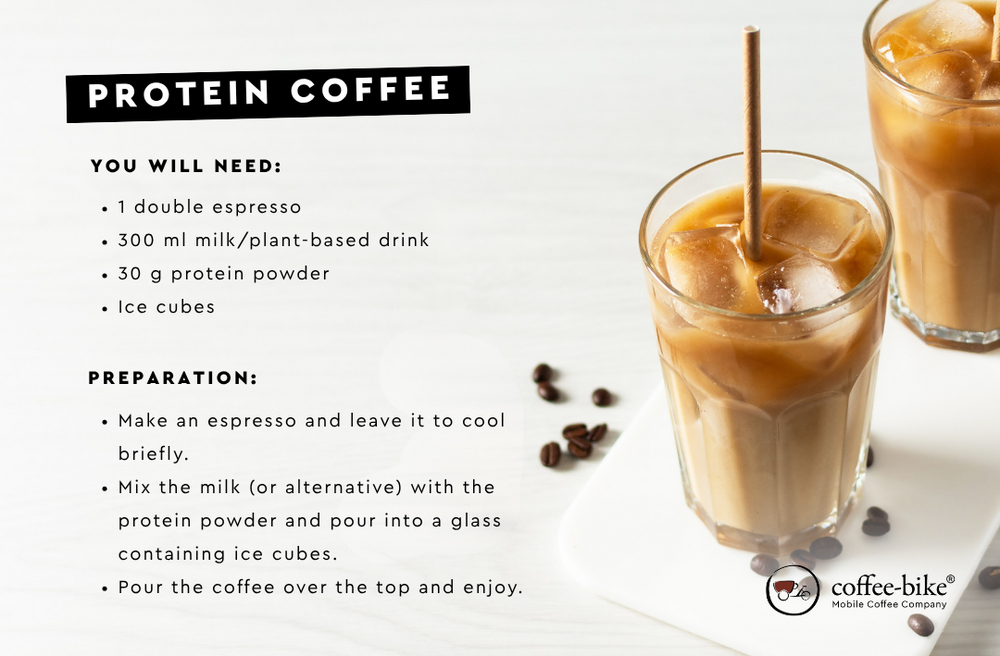
You don’t need a long recipe for protein coffee. It’s easy to make. For example, you can make yourself an espresso or coffee, add a little milk or a plant-based milk alternative and then stir in your protein powder. To ensure everything blends well and no lumps form, it helps to give the whole thing a quick shake or blend it with a mixer. Alternatively, ready-made protein-coffee mixes are now available to buy, where the coffee and protein are already combined and just need to be mixed with liquid.
What does protein coffee do to the body?
To understand what protein coffee does in the body, it is worth looking at the two main components separately.
Alongside carbohydrates and fats, proteins are among the most important macronutrients. They are involved in virtually all processes in our body and form the basis of our cells. They are particularly well known for their role in building and maintaining muscle, as they provide the essential amino acids the body needs for this. Especially if you exercise regularly or are on a diet, an adequate protein intake can help maintain muscle mass.
Another benefit of protein is its satiating effect. Compared to many carbohydrate-rich foods, it keeps you feeling full for longer and can thus help prevent cravings. For vegetarians or vegans, protein coffee can also be a practical way to meet daily requirements more easily, particularly when training volumes are high.
And how does the coffee component work? Coffee contains caffeine, which blocks the neurotransmitter adenosine in the brain. Adenosine normally makes us feel tired. When this effect is inhibited, we feel more alert and focused. Furthermore, caffeine can boost alertness, improve reaction times and, in the short term, also enhance physical performance.
Together, this results in a drink that both provides energy and keeps you feeling full. This is precisely what makes protein coffee a practical option for many people in the morning or as a snack during the working day.
Protein coffee: health, effects and role in weight loss
Protein coffee can be a useful addition to your daily routine, but it is no substitute for a balanced diet. It is important to see it for what it is: a practical aid, not a miracle cure.
When it comes to protein, many people follow the recommendations of the German Nutrition Society. This is around 0.8 grams of protein per kilogram of body weight per day. Those who exercise regularly or want to build muscle generally have a slightly higher requirement.
At the same time, you should also keep an eye on your caffeine intake: up to around 400 milligrams of caffeine per day is considered safe for healthy adults. Depending on how strong your favourite drink is and how often you drink protein coffee, this limit can be reached sooner than you think.
When it comes to weight loss, protein coffee isn’t a ‘game-changer’, but it can help. A calorie deficit remains the key factor. Ultimately, as is so often the case, it comes down to balance: if you consciously incorporate protein coffee into your diet, it can be a good support, but the foundation will always remain your diet, exercise and your overall lifestyle.
What does protein coffee taste like and who is it suitable for?
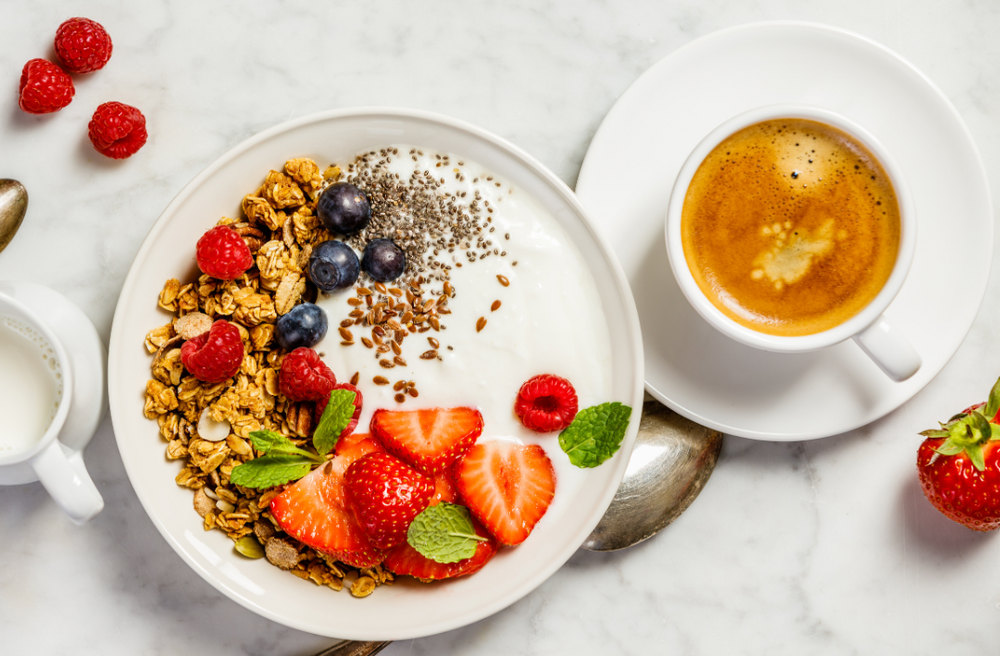
In terms of taste, protein coffee depends heavily on the powder used. Neutral varieties or classics such as vanilla or chocolate are particularly popular, as these harmonise well with coffee flavours. However, there are also ready-made blends where the coffee is already incorporated and the flavour is specifically tailored to this.
Protein powder can come from both animal and plant sources. Animal-based varieties include whey or casein, for example, whilst plant-based alternatives are often based on soya, rice or peas. Which variety suits you best depends on your personal preferences and your diet.
Collagen coffee vs. protein coffee – the key differences
We have now taken a closer look at collagen and protein coffee individually. The next step is particularly interesting, as it is only through a direct comparison that the key differences become apparent, as well as the specific goals each trend aims to achieve.
Collagen vs. protein coffee: effects and who each is suitable for
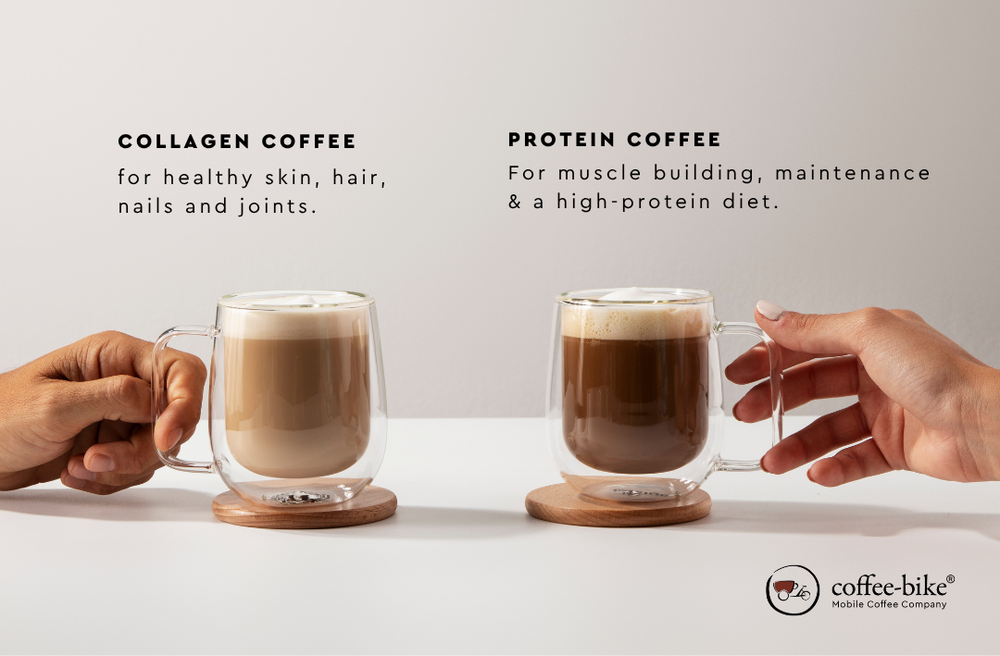
Collagen and protein coffee have different aims and therefore cater to different needs. Protein coffee is primarily used in the fitness sector. It provides the body with specific amino acids that are important for muscle building and maintaining muscle mass. It can be a practical supplement to support daily protein intake, particularly after training or when there is a generally higher protein requirement.
Collagen coffee, on the other hand, has a different focus. Here, the emphasis is less on athletic performance and more on supporting the skin, hair, nails and connective tissue. Collagen is a natural component of these structures and is often associated with issues such as skin elasticity or the general appearance of the skin. However, the scientific evidence is not yet conclusive, meaning that many of the promised effects have not yet been clearly proven.
Which option suits you best therefore depends heavily on your goal: if you train actively or want to specifically meet your protein requirements, protein coffee is the more suitable choice. If, on the other hand, you focus more on beauty and general well-being, collagen coffee may be of interest.

Differences in taste, consistency and use
Collagen coffee and protein coffee differ not only in their effects, but also significantly in taste, consistency and usage. A closer look at these three points will quickly reveal which option better suits your preferences.
Taste
There are clear differences in taste. Classic protein powder often has its own distinct, slightly sweet or milky flavour. Many varieties are flavoured, for example with vanilla or chocolate. These flavours can harmonise well with coffee, but significantly alter the classic taste.
Collagen powder, on the other hand, is usually flavourless or very mild. This means it can be stirred into coffee more discreetly without significantly altering the taste. This makes it more appealing to many people who want to enjoy their favourite drink as pure as possible.
Consistency
Protein and collagen powders also differ significantly in terms of consistency. Protein powder often makes drinks creamier and slightly thicker, almost like a light shake. Depending on personal preference, this can be a positive thing, but it has little to do with the classic coffee experience.
Collagen powder, on the other hand, usually dissolves very finely and hardly alters the consistency. The coffee therefore remains closer to its usual form, which is often seen as an advantage.
Usage and origin
Both powders are straightforward to use, but there are differences in their origin. Collagen is almost always derived from animal by-products, such as the skin, bones or connective tissue of cattle, pigs or fish. Strictly speaking, these are therefore components of animal origin that have been further processed.
Protein powder often comes from dairy products, such as whey or casein. However, there are also many plant-based alternatives made from soya, peas or rice, which are of particular interest to vegans. This makes protein powder significantly more versatile in terms of choice.
Health & Classification – what really lies behind the trend
Now that we’ve explored the different drinks and their differences, it’s worth taking a step back to consider which effects are scientifically proven, what myths exist, and what we should be mindful of. Especially in summer, when new coffee trends and creative drink variations – such as our current Coffee-Bike Summer Specials – are in high demand, the question arises all the more: what is really behind them and what do they mean for everyday life?
Are collagen and protein a good combination in coffee?
In principle, collagen and protein can be combined. Both provide amino acids that the body can utilise. However, they serve different purposes and do not necessarily complement each other in a targeted way.
Whilst protein powder offers a complete amino acid profile for muscle building, collagen is more specialised in certain amino acids found in connective tissue. A combination is therefore possible, but not strictly necessary.
Common myths surrounding functional coffee
There are some persistent myths surrounding so-called functional coffee, i.e. coffee with added benefits. A common misconception is that such drinks are automatically healthier or deliver quick results. Neither collagen nor protein coffee are miracle cures. They can complement your daily routine, but they cannot replace a balanced diet or a healthy lifestyle.
Before-and-after claims, as often seen on social media, should also be viewed critically. Many of these effects cannot be clearly attributed to a single product. Another myth is that more is automatically better. With both protein and caffeine, it is the right amount that matters.
What should you look out for when choosing?
If you decide to try one of these coffee trends, it’s worth taking a closer look. Look for an ingredients list that is as clear and short as possible, without unnecessary additives. With protein powder, it can be useful to check the protein content, the source and any additives such as sugar or sweeteners. With collagen, the source is particularly important, as it always comes from animal sources. Solubility also plays a role, especially if you want to use the powder in your coffee. A good product should stir in easily without clumping or significantly altering the taste.
Most importantly, however, the product should suit you and make you feel comfortable. Trends can inspire, but ultimately what counts is what really works for your body and your daily life. The world of coffee, in particular, shows just how quickly habits change and new ideas emerge, from functional additives like protein or collagen to creative flavour combinations that are constantly reinterpreted, especially seasonally.
Whilst protein and collagen are primarily about ingredients and potential effects, many current coffee trends are once again placing greater emphasis on enjoyment. Especially in summer, it’s less about function and more about light, refreshing drinks that bring variety to your coffee routine. This is precisely where new flavours and creative recipe ideas come into play. One trend you definitely shouldn’t miss this year is the floral lavender flavour in your iced latte. To match this, we’ve developed one of our two new Coffee-Bike Summer Specials.
Summer Special: Lavender Coffee
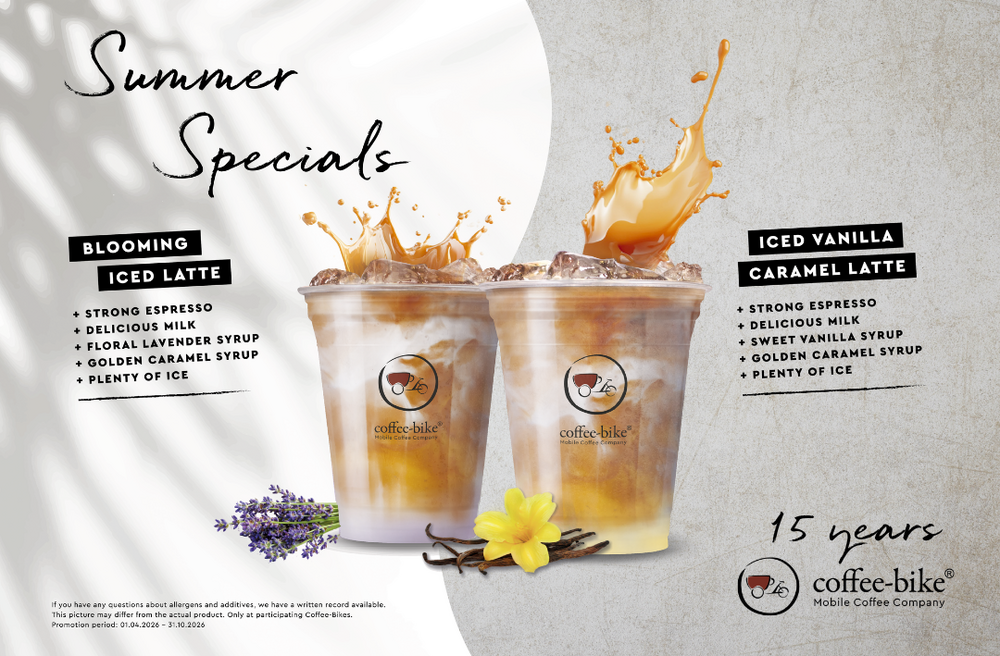
Dear summer fans, this year too, there are chilled drink highlights for all coffee lovers at Coffee-Bike. Since 1 April 2026, you’ll find our new Summer Specials at all participating mobile coffee bars. To mark Coffee-Bike’s 15th anniversary, we’re offering two special drinks that promise pure summer vibes. In celebration of the past 15 successful years, you can look forward to the Iced Vanilla Caramel Latte. An all-time favourite that always tastes great with its delicate and sweet notes. In line with new trends such as protein and collagen coffee, those keen to experiment can try a floral novelty at Coffee-Bike this summer: the Blooming Iced Latte with a delicate lavender aroma, which captures the taste of summer in a very special way.
Why lavender coffee is perfect for summer
As spring slowly gives way to summer, it is not only nature that changes, but our sense of taste too. Everything feels lighter, fresher and somehow more relaxed. Lavender perfectly conveys precisely this mood. It is not only a visual highlight when whole fields bloom in vibrant purple, but also a fragrant harbinger of summer. The scent of lavender is often associated with calm and relaxation. At the same time, lavender also plays an important role in nature, as it attracts bees, bumblebees and other insects, thereby contributing to biodiversity. This combination of natural beauty, aromatic scent and summery lightness makes lavender an ideal ingredient for special coffee creations.
Taste, experience and trend factor at a glance
The Blooming Iced Latte is more than just a coffee; it’s a little slice of summer in a glass. The combination of strong, organic-certified espresso from and cool milk creates a harmonious base, complemented by a delicate lavender aroma. Added to this is a subtle hint of caramel sweetness that rounds off the flavour profile. The result of this combination is an iced latte that is both refreshing and trendy. The Blooming Iced Latte is not overpowering, but rather smooth, slightly floral and pleasantly rounded. It is precisely this blend that allows you to switch off for a moment whilst drinking it and feel almost as if you’re on holiday.

Who is this summer special for?
Our summery take on lavender coffee is ideal for anyone who wants to treat themselves to a little break during the warmer months and loves moments of indulgence that are a bit different from the classic iced coffee. If you like the scent of lavender or generally enjoy trying new flavour combinations, you’ll probably particularly enjoy this drink. And if lavender isn’t quite your thing, the Iced Vanilla Caramel Latte offers an equally summery alternative. It combines sweet vanilla and golden caramel in a classic iced latte to create a sweet temptation that tastes of sunshine, holidays and relaxing days. Discover the Summer Specials right at the Coffee-Bike.
FAQ – Frequently asked questions about collagen coffee & protein coffee
What is Glow Coffee?
Glow Coffee is coffee to which collagen powder has been added. It is said to combine the enjoyment of coffee with a beauty effect for skin, hair and nails.
What does collagen do in coffee?
Collagen can supply the body with amino acids, which are components of the skin and connective tissue. However, the exact effect has not yet been conclusively proven scientifically.
Is protein coffee healthy?
Protein coffee can be a useful supplement, but it is no substitute for a balanced diet. It provides additional protein and can be quite filling.
Can you make protein coffee yourself?
Yes, you can simply mix coffee with protein powder and a little milk or a milk alternative, then stir or shake well.
What side effects can Glow Coffee have?
Possible side effects include intolerances or allergic reactions, particularly with fish collagen. Caffeine tolerance can also vary from person to person.
Summary of the key differences
Collagen coffee is primarily associated with skin, hair and joints, whilst protein coffee is more focused on muscle building, satiety and fitness. Both drinks serve different purposes and are not a substitute for a balanced diet.
Conclusion: Trends, coffee and moments of genuine enjoyment
Collagen and protein coffee demonstrate one thing above all: just how strongly dietary trends can be integrated into our daily lives. Both drinks promise additional benefits alongside the classic enjoyment of coffee. They cater to different needs, whether in the areas of beauty, fitness or simply as a practical addition to everyday life. Despite all the trends, however, it should always be borne in mind that neither collagen nor protein coffee is a miracle cure. A balanced diet, exercise and a mindful lifestyle are far more important for health, well-being and energy. Such drinks can be an exciting addition, but they are no substitute for a healthy foundation.
When it comes to genuine coffee enjoyment, what often counts in the end is something quite different: the moment itself. That is exactly what the Coffee-Bike stands for. You won’t find collagen coffee or protein coffee here, but you will find our lovingly prepared Summer Specials as well as many other hot and cold coffee specialities that are simply a delight. We focus on the art of barista craftsmanship, which you can experience with all your senses at the Coffee-Bike.
And if you’d like to bring this special coffee experience directly to your event, book your Coffee-Bike easily for your next event. This way, every occasion becomes a little moment of pleasure that will be remembered.
These articles might intrest you:


Espresso with orange juice – TikTok trends, summer drinks and new combinations
04.05.2022 Read article